FREE SHIPPING ON ALL US ORDERS OVER $150
February 23, 2026 4 min read
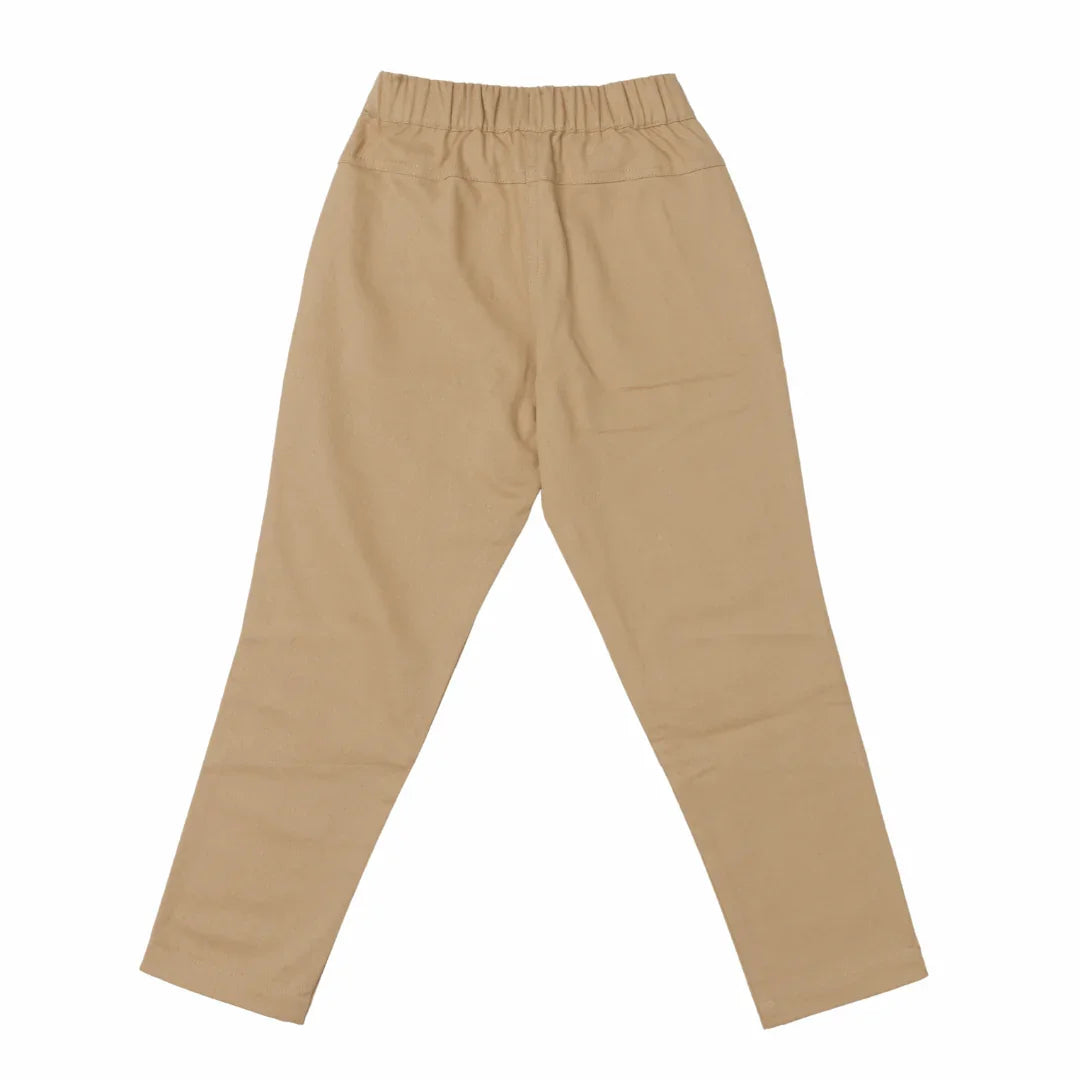
I started Jackalo because I was frustrated. My older son had destroyed every pair of pants we owned, and when it was time to hand things down to my younger kid, there was basically nothing left to pass along. The clothes had fallen apart. I looked everywhere for something better and couldn't find it — so I made it myself.
That's the unglamorous origin story. No big investor pitch, no lightbulb moment. Just a mom standing in front of a pile of trashed pants thinking: there has to be a better way.
So when Seeing Green — a platform dedicated to highlighting real, everyday sustainability solutions — named us their Solutionist of the Day and made a whole video about what we're building, I'll be honest: it got me a little emotional. Because it means the problem I set out to solve is being recognized as a real problem worth solving. And after five years of building this, that matters.
You can read their full article and watch the video here. They did a beautiful job.
Seeing Green opens their piece with this: "If you've ever looked at a pair of kids' pants shredded at the knees after three wears, you already understand the problem."
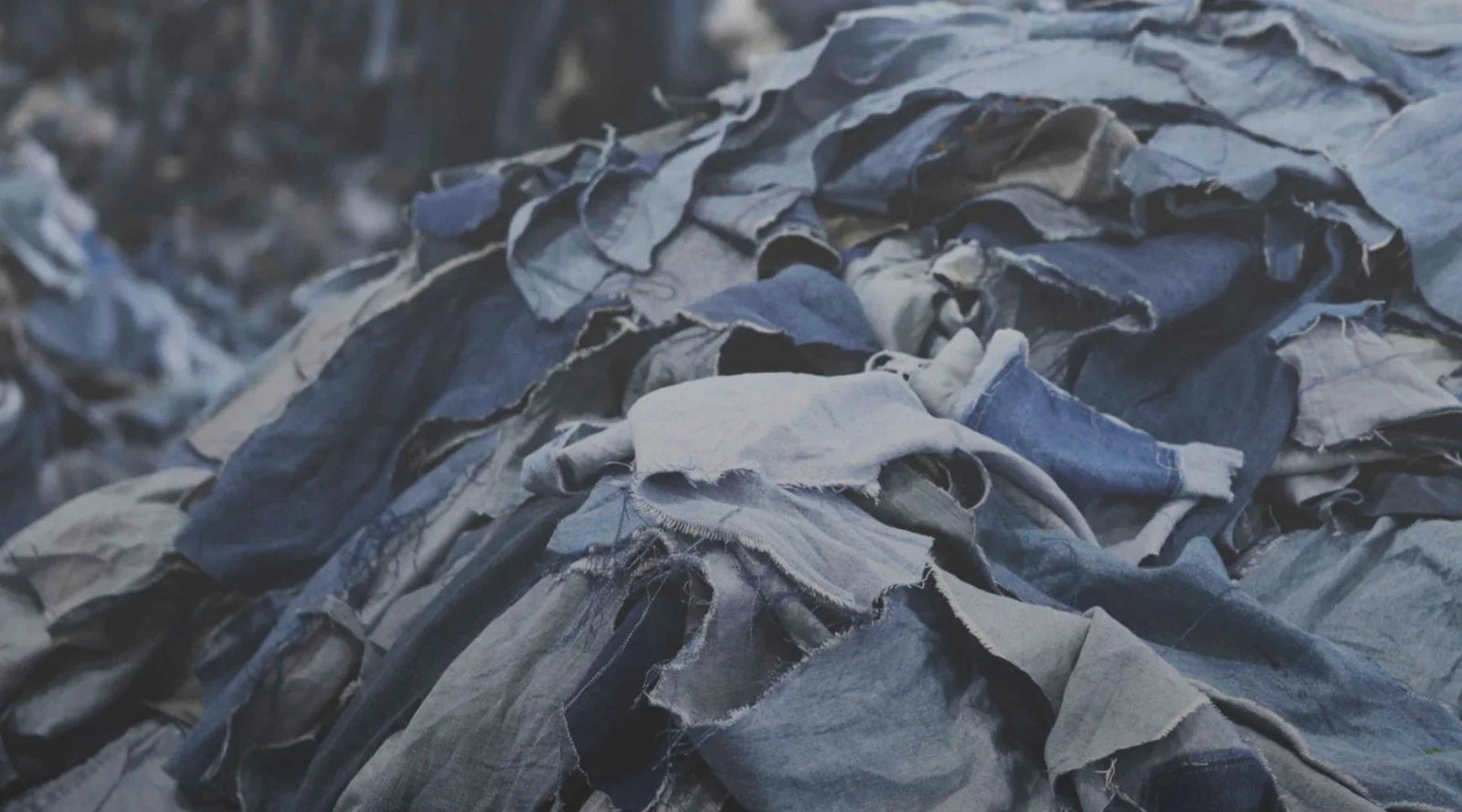
Yes. Exactly. Every parent reading this knows that feeling — the drawer full of outgrown, barely-wearable clothes that can't be passed down and feel terrible to throw away. The cycle of buying cheap, watching it fall apart, buying again. Fast fashion isn't just an adult problem. It's everywhere in kids' clothing, and it quietly creates a mountain of waste that most of us don't think about until we're staring at a trash bag full of ruined toddler pants.
What Seeing Green highlighted — and what I love talking about — is how we think about durability not as a feature, but as the whole strategy. The math is simple: a garment worn 50 times has a fraction of the environmental footprint of one worn five times. Cost per wear isn't just a financial concept; it's an environmental one too.
That thinking goes into everything we make:
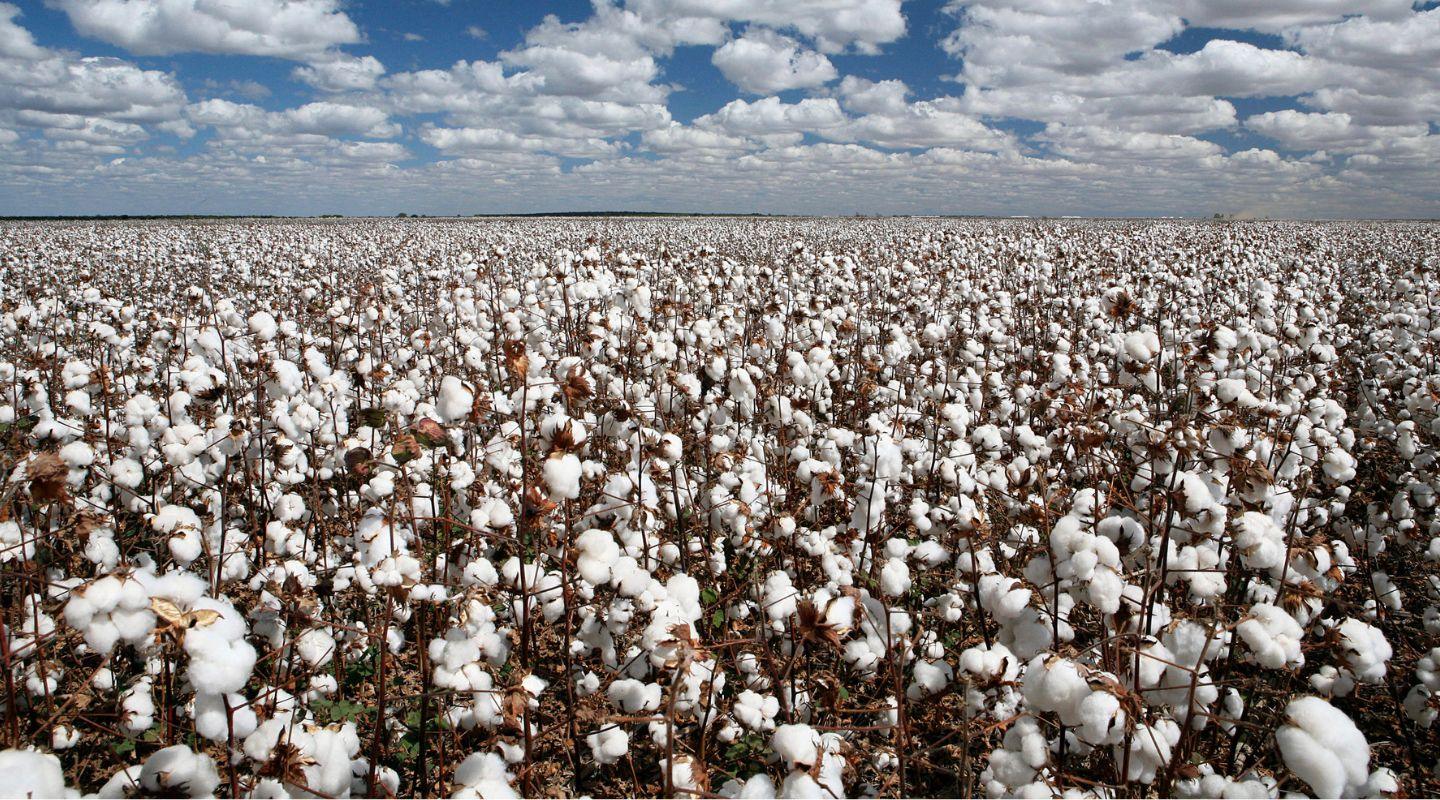
We use organic cotton and responsibly sourced fabrics chosen specifically because they're strong, not just soft. Flat seams for sensitive kids, easy construction for busy mornings, and gender-neutral silhouettes so pieces can move from kid to kid without a second thought.
One of my favorite things Seeing Green wrote about us: "Circularity is not an afterthought here. It is the system."
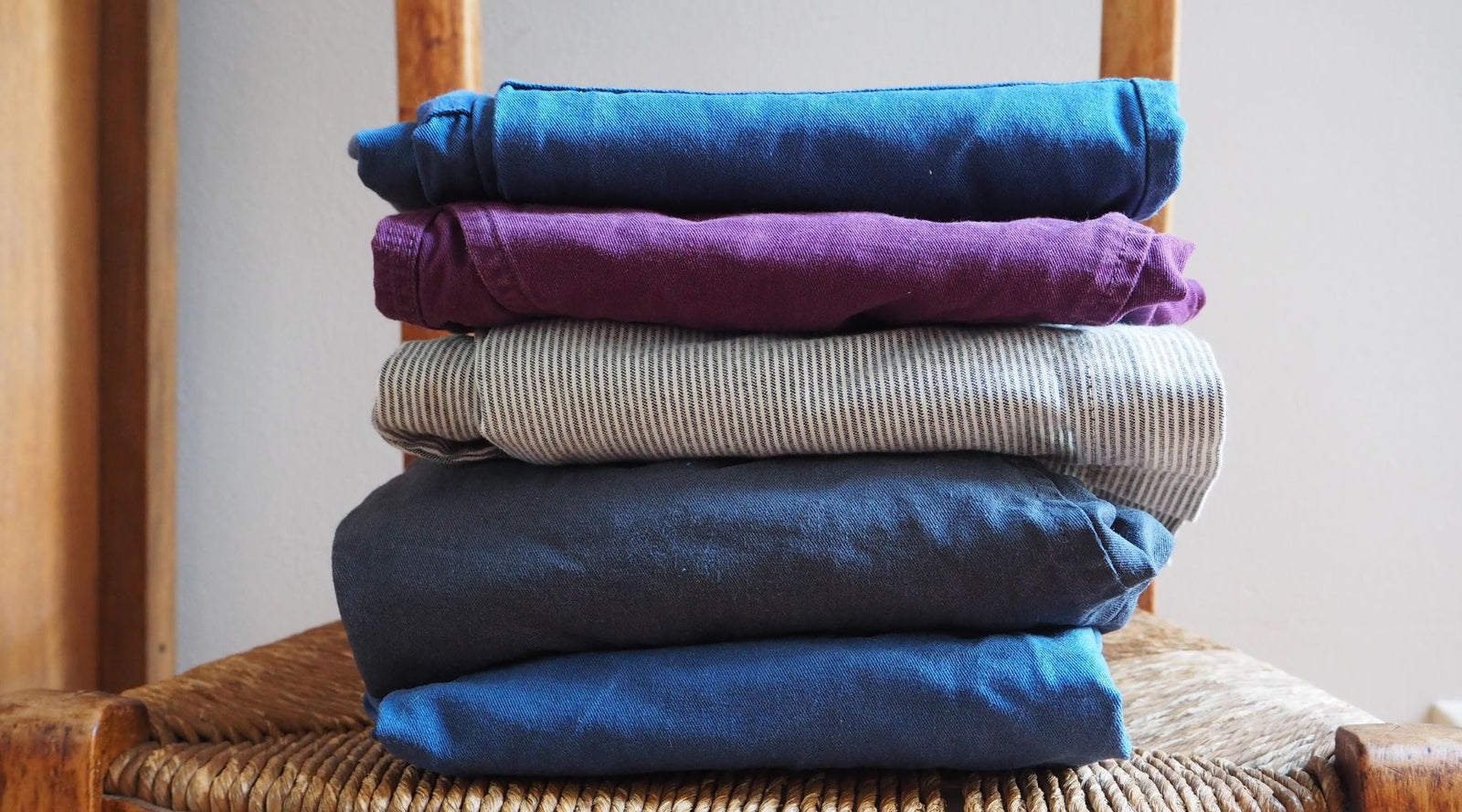
That's exactly right. Every piece we design is meant to be repairable, resellable, and recyclable. Our TradeUp program lets families send back outgrown Jackalo clothes for store credit. We inspect them, repair them when needed, and find them a new family. No landfill. No guilt. No drawer of stuff you don't know what to do with.
Behind the scenes, we partner with Fair Trade and GOTS-certified production facilities, offset emissions across our supply chain, use compostable and recycled packaging, and give 1% of every sale to environmental organizations through our 1% for the Planet membership. It all adds up to something I'm genuinely proud of.
Seeing Green describes what we're doing as "redesigning a broken system around durability, reuse, and responsibility — without sacrificing comfort or style." I couldn't have said it better.
We're not here to make parents feel bad about their choices or to sell you on trends. We're here to make buying kids' clothes feel like a genuinely smart decision — for your wallet, your kid, and the world they're growing up in.
And knowing that you — our community — are behind what we're building makes recognition like this mean so much more.
So I'd love to hear from you: what made you first care about how your kids' clothes are made? Was it the cost of replacing things constantly? The waste? Something else? Drop a note in the comments — I really do read them.
Your Friend, Marianna
Frequently Asked Questions
What makes Jackalo kids' clothing more durable than typical brands? Jackalo uses organic cotton chosen specifically for strength, reinforced construction at high-wear zones like the knees, flat seams, and designs built for real childhood movement. Every piece is engineered with cost-per-wear in mind — the goal is clothing worn dozens of times, not a handful.
What is Jackalo's TradeUp program? TradeUp is Jackalo's clothing buyback program. Families send back outgrown Jackalo garments for store credit. Jackalo inspects, repairs, and rehomes those clothes with new families — keeping them out of landfills and in circulation.
Is Jackalo clothing certified organic? Yes. Jackalo works with GOTS-certified (Global Organic Textile Standard) production partners and uses organic cotton throughout its collection. When our fabrics are not certified organic, it is because they meet some other environmental criteria, like linen which needs fewer pesticides, or organic deadstock fabric (that's fabric left over from someone else's production) that has fallen outside of the time-frame needed to maintain it's certificiation.
Why was Jackalo named a Seeing Green Solutionist of the Day? Seeing Green recognized Jackalo for building durable, organic cotton kids' clothing basics, running a circular take-back program through TradeUp, and supporting ethical manufacturing — all while making clothes kids actually want to wear every day.
Meet the styles families love most. Our best-selling kids’ clothes are crafted from organic, sustainable fabrics and built to last through countless adventures—then passed on through our TradeUp program.
Get 15% off your first order along with early access to new products and exclusive deals when you join our list!
By subscribing, you agree to theTerms of Serviceand Privacy Policy.You may unsubscribe at any time.