
You've seen the "organic cotton" tag. Maybe you've wondered if it's worth it — or if it's just a way to charge more for a T-shirt.
Here's the honest answer: it does matter. And it matters in ways that go beyond the garment itself.
It Starts on the Farm
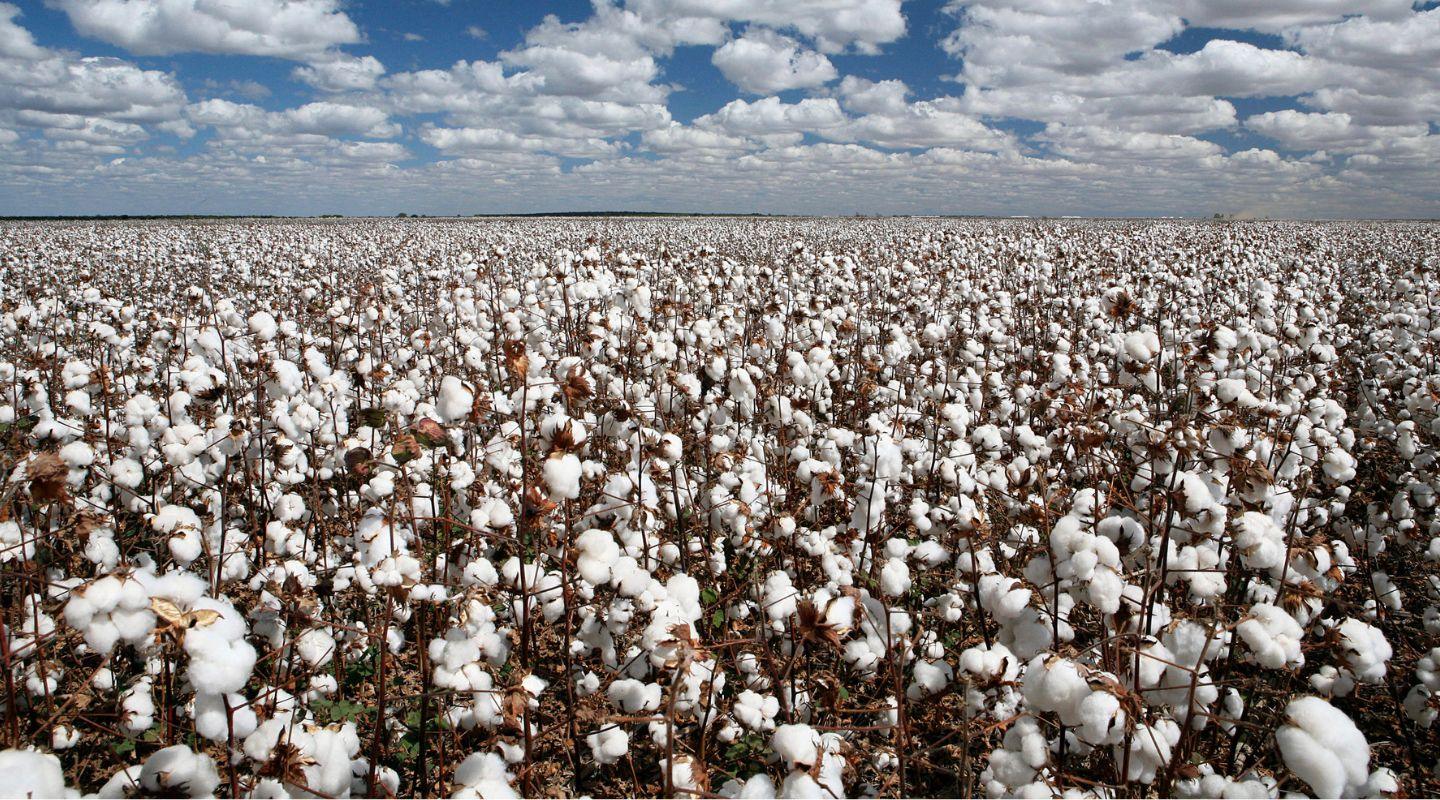
Conventional cotton is one of the most pesticide-heavy crops in the world. It takes up about 2.4% of global farmland but accounts for 16% of all insecticides used globally, according to the Environmental Justice Foundation. Those chemicals don't just stay on the crop. They get into the soil, the groundwater, and the air — and into the bodies of the farmers applying them, often without adequate protection.
In India — where a significant share of the world's cotton is grown — smallholder farmers are the ones most exposed. Pesticide poisoning is a serious and documented risk for cotton farming communities there.
Organic cotton farming eliminates synthetic pesticides and fertilizers entirely. That's not a small thing for the people growing it.
What Happens to the Soil (and the Water)
Here's something that doesn't get talked about enough: organic farming practices actually improve soil health over time.
Healthier soil holds water better. That means organic cotton fields need less irrigation, and more of the water that does get applied stays in the ground where the plant can use it — instead of evaporating or running off.
The result? Organic cotton uses significantly less water per shirt than conventional cotton. A life cycle assessment published by Textile Exchange found organic cotton uses 91% less blue water — meaning freshwater drawn from rivers, lakes, and groundwater — than conventional cotton at the fiber stage. Studies of garment production in India specifically found organic cotton T-shirt fabric used roughly 57% less water per kilogram of finished clothing compared to conventionally grown cotton from the same region.
That's not a rounding error. Water scarcity is a real issue in India's cotton-growing regions, and that difference matters for the communities living there.
What About the Shirt Itself?
The farm is just the beginning. Once the cotton is picked, it goes through spinning, dyeing, finishing, and cutting and sewing. Each of those steps involves chemistry.
Conventional textile production can involve dyes and finishes that include heavy metals, formaldehyde, and other chemicals you probably don't want sitting against your kid's skin all day.
This matters more for kids than it might seem. Children's skin is thinner and more permeable than adult skin, meaning it absorbs more of what it comes into contact with. Conventional cotton fabrics can contain residues from pesticides, synthetic dyes, formaldehyde-based finishing agents, and PFAS — the so-called "forever chemicals" used in some stain- and water-resistant finishes that don't break down in the body or the environment. For kids with eczema or skin allergies, these residues can be a real trigger. GOTS-certified organic cotton eliminates this entire category of concern — no toxic dye residues, no chemical finishes, no PFAS. It won't cure eczema, but removing potential irritants from the fabric your child wears all day is a straightforward way to reduce flare-up risk for sensitive skin.
The most rigorous standard for organic cotton clothing is called GOTS — the Global Organic Textile Standard. It covers the full supply chain, not just the farm. GOTS prohibits toxic chemicals — including heavy metals and PFAS — in dyeing and finishing, requires safe working conditions throughout production, and involves independent on-site inspections at every stage of the supply chain.
So when you see GOTS-certified on a label, it means the organic claim has been verified from field to finished garment — not just at the fiber stage.
What Happens When They Outgrow It?
This is where natural fibers have a real advantage that doesn't get enough attention.
Composting. A 100% organic cotton T-shirt is a natural fiber. In the right conditions, it will biodegrade — no microplastics left behind, no synthetic residue. Compare that to a polyester blend, which sheds plastic particles every time it's washed and will sit in a landfill for centuries.
Recycling. Mechanical fiber recycling — where old garments are broken down and turned into new yarn — works best with what the industry calls "mono materials". These are fabrics made with at least 95% of one fiber type. Blended fabrics like cotton-poly are much harder to recycle because the fibers can't be cleanly separated, with today's technology (there are wonderful companies working to change this). A 100% cotton shirt is a better candidate for textile recycling with the technology that is available today.
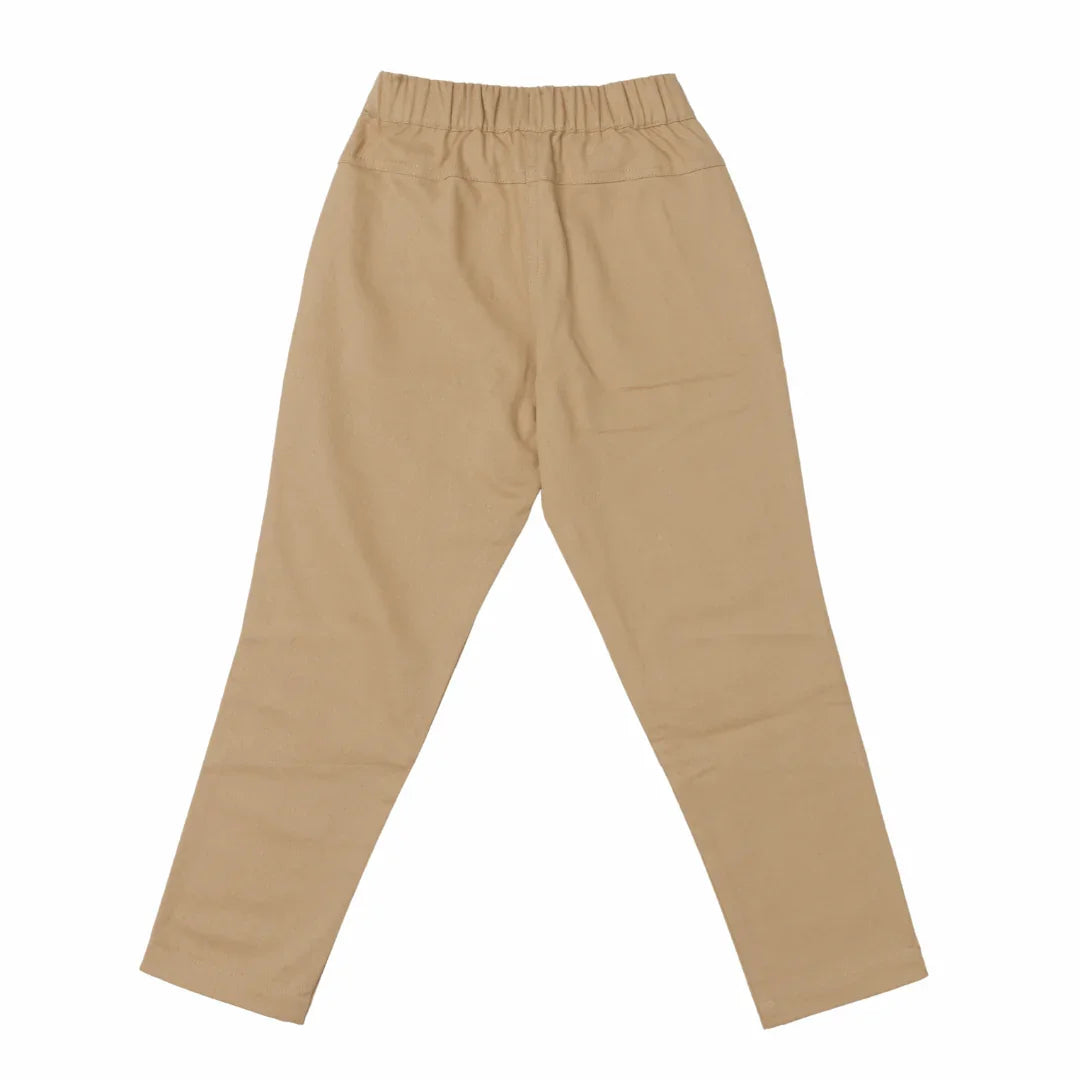
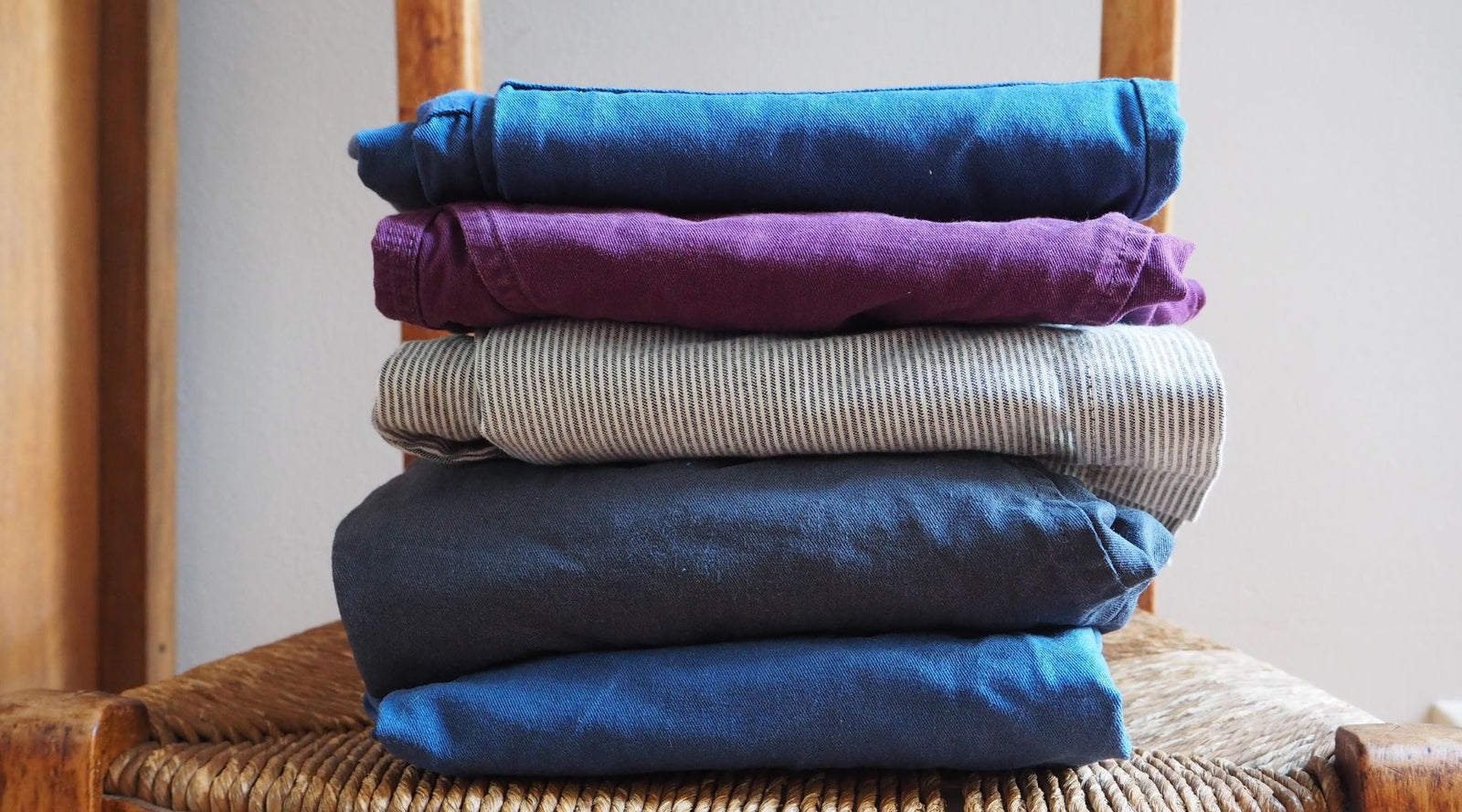
Making it last. The most sustainable shirt is the one that doesn't need to be replaced. A well-made organic cotton T-shirt — one made from a mid- to heavy-weight cotton and built with reinforced seams and quality construction — stays in rotation longer. And when it's finally done, it can go back to the earth.
The Honest Tradeoffs
Organic cotton typically yields less per acre than conventional, which is part of why it costs more. It's also harder to source at scale, which is why many brands use a mix — or use fiber-only certifications that don't cover what happens after the cotton leaves the farm.
Not all "organic cotton" claims are the same. A shirt can be made with organic fiber and still use conventional chemical finishes. GOTS certification is what closes that gap — it's the standard that covers the whole journey.
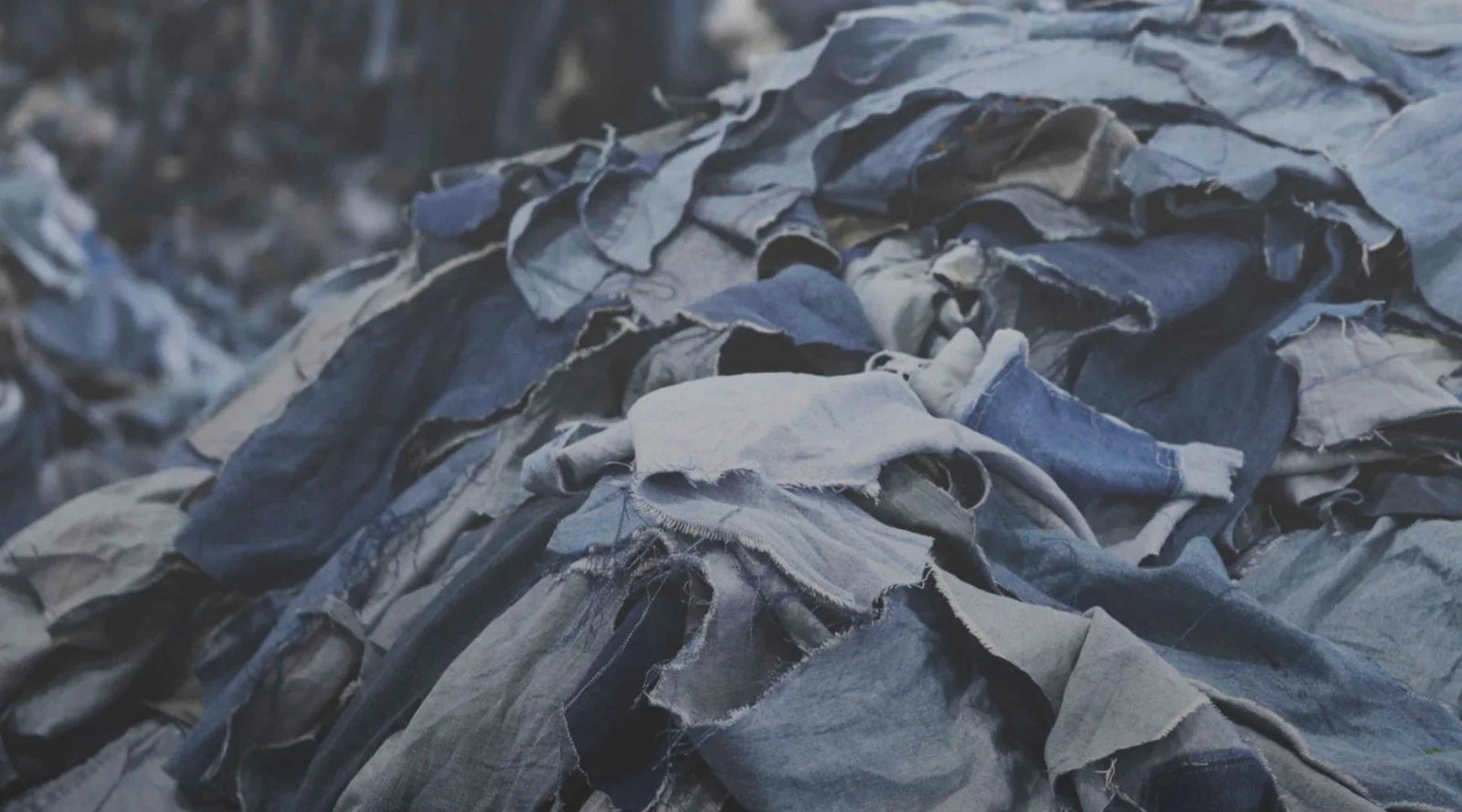
There's one more wrinkle worth knowing about: deadstock fabric. Sometimes brands — including small sustainable ones — source leftover organic cotton fabric from mills rather than ordering new production runs. Using existing fabric instead of creating new demand is genuinely good from a waste-reduction standpoint. But GOTS certification requires a continuous, documented chain of custody from fiber to finished garment, tracked within specific time windows. If that paperwork chain breaks — or if the fabric sat in a mill's warehouse long enough that the certification window lapsed — the finished garment can't carry a GOTS label, even if the cotton was grown organically and processed without prohibited chemicals.
This matters for how brands talk about their products. The responsible thing to do is be specific: a garment made from deadstock organic cotton fabric should be described as exactly that — not as "GOTS certified."
The Short Version
Organic cotton isn't just a feel-good label. Growing it means less pesticide exposure for farmers, less water pulled from already-stressed regions, and healthier soil for the long term. Wearing it — especially when it's GOTS-certified — means fewer questionable chemicals in fabric that's against your kid's skin. And at the end of its life, it can go back to the earth in a way a synthetic blend simply can't.
It's not magic. But it is meaningfully different.